Neuro-linked Gaming: Risks and Rewards
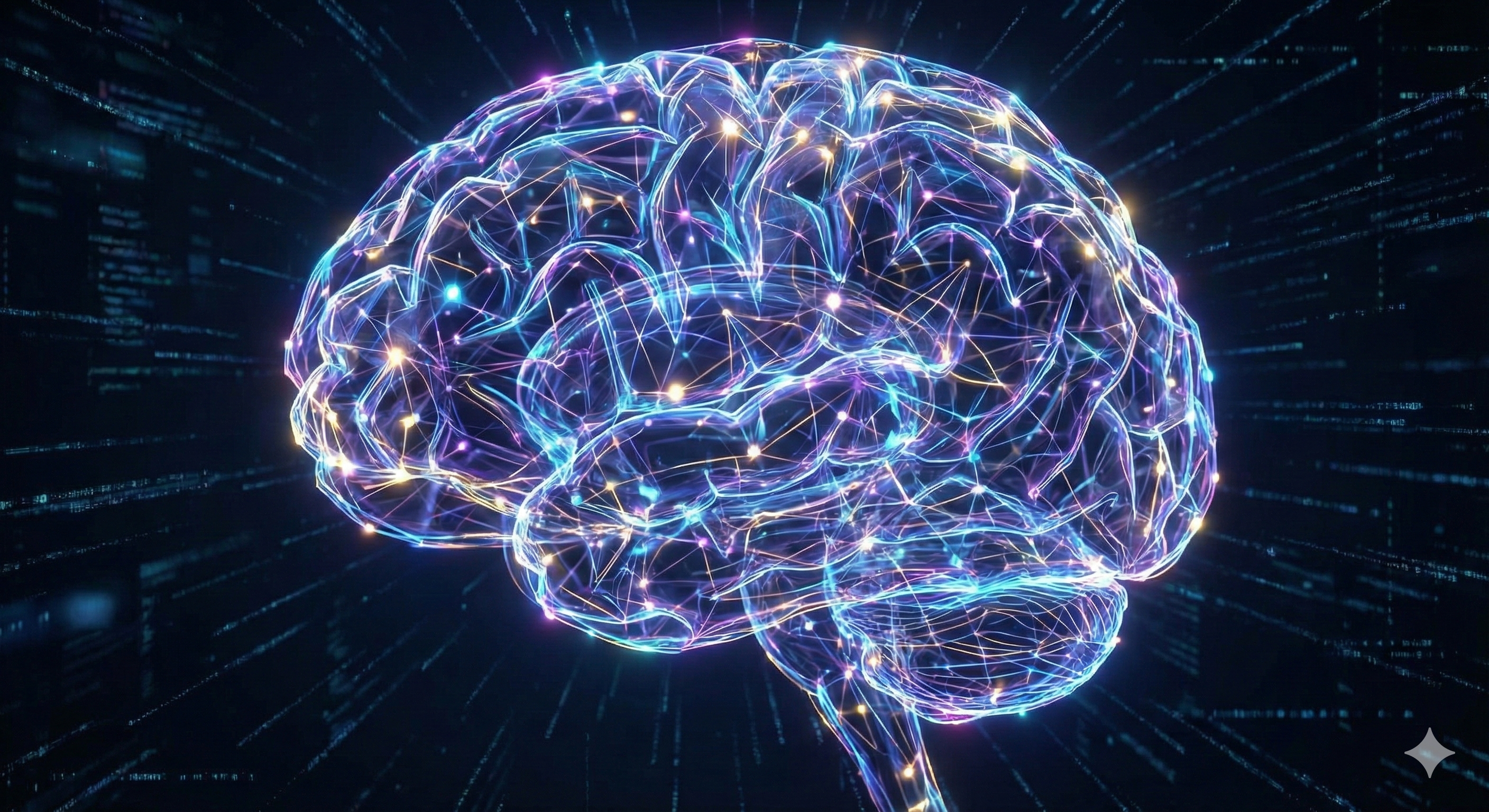
Gaming has always been about immersion, but the 2026 launch of the Link-1 Neuro-Headset has changed the game—literally. We’re no longer using our thumbs to trigger actions; we’re using our intent. When you want to sprint in 'Neon-Vantage,' your brain sends the signal, and your avatar moves. The latency is effectively zero because the command never has to travel down your nerves to your hands.
But the 'Direct Input' experience comes with a heavy learning curve. Players are reporting 'Neuro-Lag'—a sensation of sluggishness in the real world after a long gaming session. Your brain gets so used to the instant response of the virtual world that the physical body feels like it's moving through molasses. It's a surreal and sometimes unsettling side effect of high-level play.
Safety regulations are already being tightened. Most headsets now come with 'Synapse-Limiters' that force a cooldown after two hours of play to prevent neural fatigue. There’s also the question of 'Emotional Bleed'—if you feel the rush of a win directly in your brain's reward center, the lows of a loss can be devastatingly sharp.
Despite the risks, the competitive scene is exploding. The skill ceiling has been smashed wide open, and we’re seeing feats of coordination that were physically impossible with a traditional controller. We’re entering the age of the 'Cerebral Athlete,' and honestly, I don't think we're ever going back to buttons.