Retro-Futurism: Why We Love the 90s Again
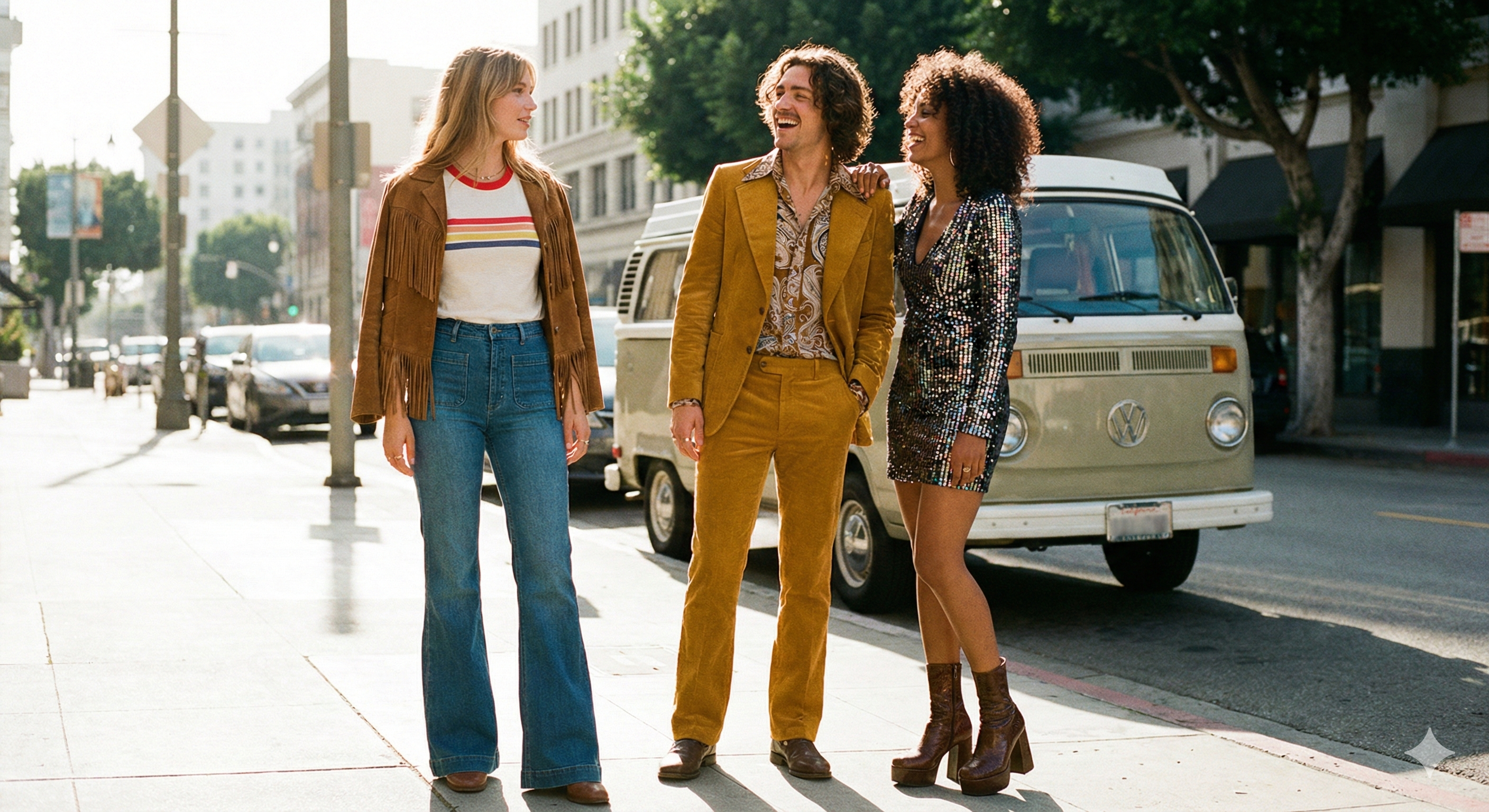
History doesn't repeat, it remixes. In 2026, we are seeing a massive cultural pivot back to the 1990s—a time of 'primitive' digital optimism. From translucent plastic electronics to the return of 'crunchy' low-poly graphics in gaming, the aesthetic is a direct rebellion against the sleek, hyper-realistic, and often sterile AI art of the early 2020s.
Gen Alpha is leading the charge, viewing the 90s as a 'lost golden age' of physical media. Wired headphones are no longer just a budget choice; they are a fashion statement representing a desire for a literal, physical connection to our devices. There’s something comforting about a cord you can see and a button you can actually press.
This isn't just about fashion; it’s about a rejection of the 'perfect' algorithm. In 2026, people are seeking out 'glitch' art and intentionally lo-fi experiences. It feels more human, more flawed, and ultimately more authentic. We’ve mastered the art of making things perfect, so now we’re learning the art of making them interesting again.
Expect to see more 'Digital Rust' in the coming months—software skins that make your high-res OS look like a CRT monitor, and fashion lines featuring neon windbreakers and oversized denim. It’s a strange, beautiful loop, and honestly, it’s a lot more fun than the minimalist gray we’ve lived with for too long.