Quantum Encryption for Beginners
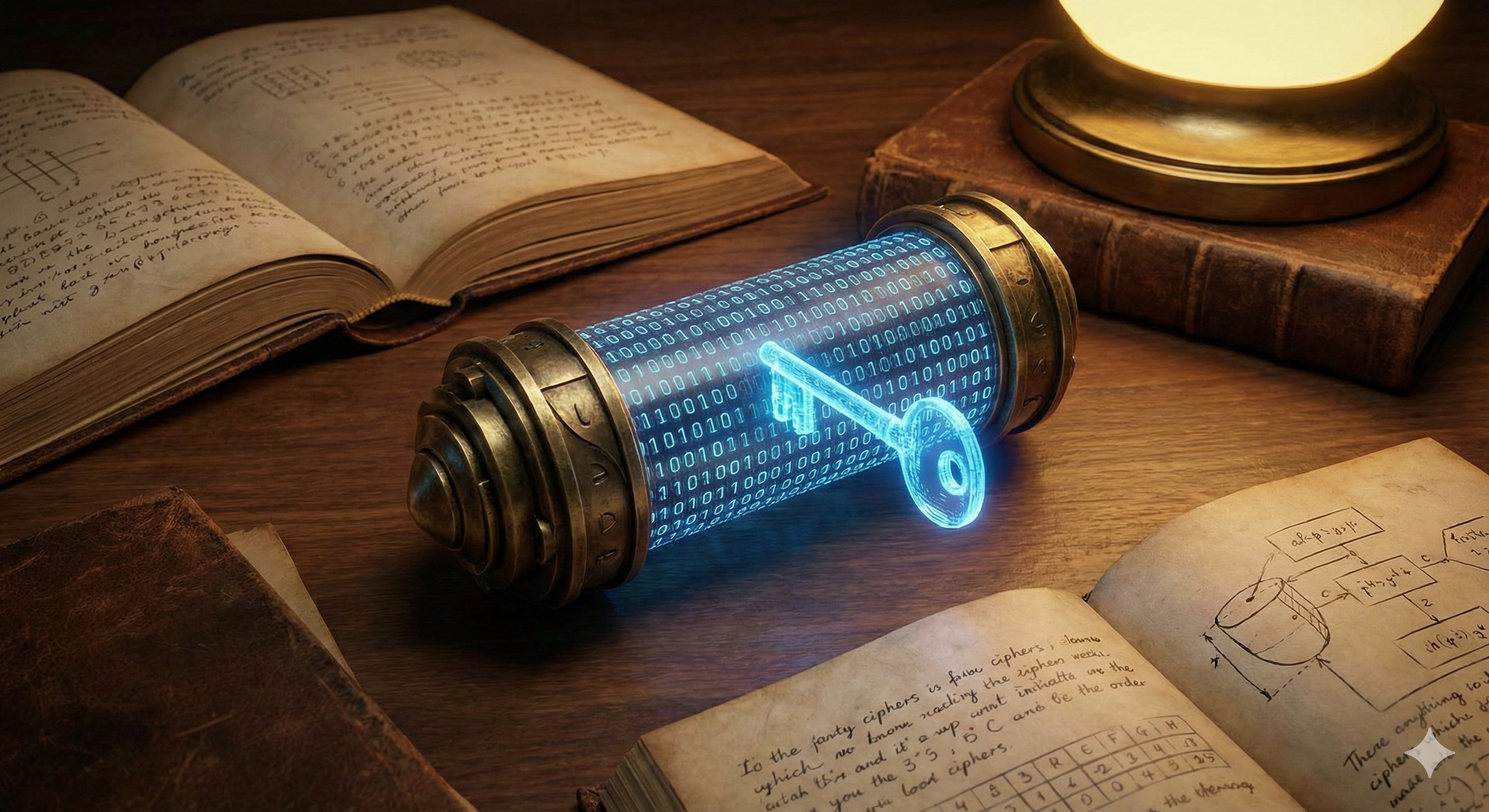
For years, the 'Quantum Apocalypse' (or Q-Day) was the boogeyman of the cybersecurity world—the day a quantum computer would become powerful enough to crack all modern encryption. Well, it’s 2026, and while the apocalypse didn't happen, the way we secure data has fundamentally changed. We are now living in the age of Post-Quantum Cryptography (PQC).
At its heart, quantum encryption relies on the principle of 'observer effect.' In the quantum world, the act of measuring a particle changes its state. This means if a hacker tries to eavesdrop on a quantum-secured data stream, they physically alter the data itself, instantly alerting both the sender and the receiver. It’s a lock that breaks if anyone but the owner looks at it.
For the average person, this transition has been largely invisible. Your banking apps and messaging services have quietly updated their protocols to use lattice-based cryptography, which is resistant even to quantum attacks. It’s a massive upgrade to the global 'digital immune system' that happened while most of us were sleeping.
As we move forward, the focus is shifting to 'Quantum Key Distribution' (QKD) via satellite. This will allow for truly unhackable communication across the entire globe. The math is incredibly complex, but the result is simple: a safer, more secure internet for everyone.